
Neonatal Intensive Care Unit (NICU) care is a specialized area dedicated to the medical treatment of newborn infants, particularly those who are premature, low birth weight, or with health challenges. Key components of NICU care include:
1. Advanced Monitoring: Continuous monitoring of vital signs such as heart rate, respiratory rate, oxygen levels, and temperature.
2. Respiratory Support: Provision of oxygen therapy, mechanical ventilation, or Continuous Positive Airway Pressure (CPAP) for babies with breathing difficulties.
3. Temperature Regulation: Use of incubators or radiant warmers to maintain an optimal thermal environment for the infant.
4. Nutritional Support: Administration of intravenous fluids, parenteral nutrition, or tube feeding to support infants who cannot feed orally.
5. Medication Management: Administration of medications necessary for treating infections, respiratory problems, or other conditions.
6. Multi-disciplinary Team Care: A collaborative approach involving neonatologists, nurses, respiratory therapists, nutritionists, and other specialists.
7. Parental Involvement: Encouraging active participation of parents in the care process, including skin-to-skin contact and breastfeeding support.
8. Developmental Care: Techniques and interventions aimed at supporting the neurodevelopment of the infant, such as minimizing noise and handling.
9. Discharge Planning: Preparation for home care by educating parents on infant care needs and coordinating follow-up appointments.
NICU care is vital for improving the outcomes of at-risk newborns, providing them with comprehensive, around-the-clock medical attention.
Bodhi Learning Labs
コース一覧
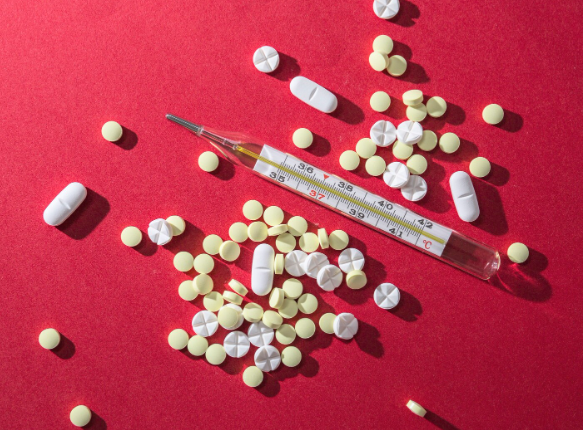
Cytotoxic drugs are medications that kill or inhibit
the growth of rapidly dividing cells and are mainly used in the treatment of
cancer, autoimmune diseases, and organ transplants. From a nursing point of
view, these drugs require careful handling and administration due to their high
toxicity and potential risks to both patients and healthcare providers. Nurses
play a vital role in monitoring patients for side effects such as bone marrow
suppression, nausea, vomiting, alopecia, and increased risk of infection. They
also provide patient education on managing side effects, maintaining nutrition,
preventing infection, and ensuring adherence to therapy, along with offering
emotional and psychological support.
Learning Objectives:
The module aims to enable the learner to:
- Define cytotoxic drugs and their significance in cancer treatment.
- Explain the concept and principles of chemotherapy.
- Classify chemotherapeutic drugs based on their mechanism and therapeutic use.
- Describe the administration methods and routes of chemotherapeutic drugs.
- Explain the mechanism of action of chemotherapy agents.
- Identify common side effects and complications associated with chemotherapy.
- Apply appropriate nursing management strategies in the care of patients receiving chemotherapy.
Learners can complete the module between 30-40 minutes
Credit hours : 30 minutes
Module creation and Sign off Date : 27 August 2025
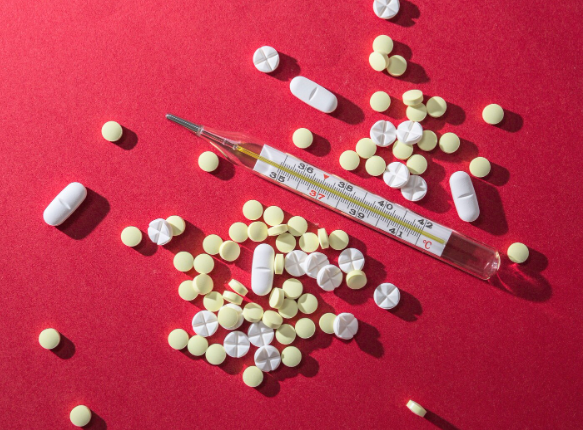
Cytotoxic drugs are powerful medications primarily used in cancer treatment that work by damaging or destroying rapidly dividing cells. These medications play a crucial role in oncology and are administered to millions of patients worldwide each year. While cytotoxic drugs can be life-saving in treating various malignancies, they require extremely careful handling, preparation, and administration due to their potent and potentially harmful effects. Healthcare professionals, particularly nurses, are at the forefront of cytotoxic drug administration and must possess comprehensive knowledge and skills to ensure patient safety while protecting themselves and others from exposure. The safe handling of cytotoxic drugs demands strict adherence to established protocols, proper use of personal protective equipment, and understanding of potential risks and side effects. Every healthcare facility should have robust standard operating procedures for the preparation, administration, and disposal of cytotoxic medications to minimize occupational exposure and optimize patient outcomes.
Learning Objectives:
At the end of the course the learner will be able to:
- Demonstrate safe handling, preparation, and administration techniques for cytotoxic drugs
- Identify appropriate personal protective equipment and safety measures required when working with cytotoxic medications
- Recognize common side effects and adverse reactions associated with cytotoxic drug therapy
- Apply proper protocols for cytotoxic drug disposal and spill management
- Assess patient readiness and monitor patients during and after cytotoxic drug administration
- Implement evidence-based nursing interventions to manage cytotoxic drug-related complications
Learners can complete the module between 30-40 minutes
Credit hours : 30 minutes
Module creation and Sign off Date : 27 August 2025
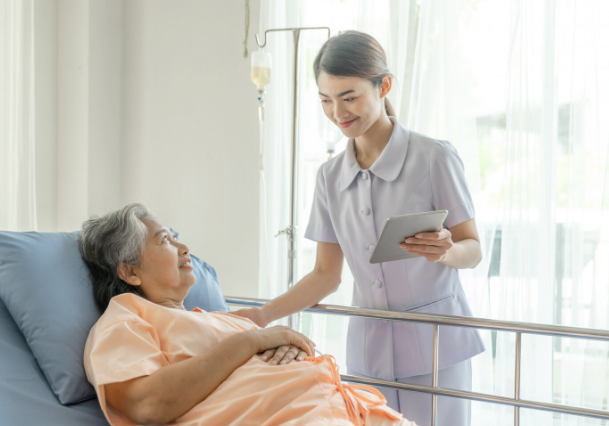
Hospital discharge is a critical transition point requiring systematic planning and coordination to ensure patient safety and optimal outcomes. Effective discharge planning is a multidisciplinary process that begins at admission and continues throughout hospitalization, culminating in safe transition from acute care to the next level of care. This approach reduces readmissions, prevents adverse events, and ensures continuity of care.
The discharge process involves medical stability assessment, medication reconciliation, care coordination, patient education, and follow-up arrangements. Healthcare professionals must collaborate to address medical, psychosocial, and environmental factors affecting successful transitions. The discharge team includes physicians, nurses, case managers, social workers, pharmacists, and rehabilitation specialists working together to develop individualized plans.
Healthcare institutions must establish standardized discharge policies while allowing individualization based on patient needs. These policies guide teams in determining discharge readiness, ensuring resources are available, and facilitating seamless transitions that support recovery and long-term outcomes.
Learning Objectives
At the end of the course the learner will be able to:
1. Define patient discharge according to the hospital policy.
2. State the three primary purposes of discharging a patient.
3. Identify and differentiate between the four types of discharge:
- Planned Discharge,
- Transfer Discharge,
- Left Against Medical Advice (LAMA),
- Absconded.
4. Describe the essential steps required to prepare a patient for discharge, as outlined in the policy.
5. Explain the importance of obtaining a written discharge order from the physician.
6. Outline the procedure for updating the ward/unit whiteboard and informing the floor coordinator upon discharge.
7. Explain the importance of effectively communicating the discharge process and relevant information to the patient and their family.
8. Detail the correct procedure for returning unused patient medications to the pharmacy and obtaining nursing clearance in the system.
9. State the requirement to send the patient file for discharge summary preparation when requested by the duty doctor.
10. Recognize how following the discharge policy contributes to preventing hospital-acquired infections.
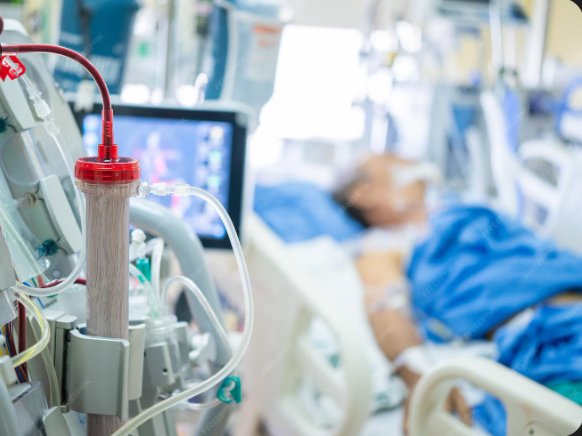
Extracorporeal Membrane Oxygenation (ECMO) is a sophisticated life-support technology that provides temporary cardiac and/or pulmonary support for patients with severe, potentially reversible heart or lung failure. This advanced therapeutic intervention works by removing blood from the patient's circulation, oxygenating it externally through an artificial lung (oxygenator), and returning it to the patient's body, effectively bypassing the heart and/or lungs. ECMO has revolutionized critical care medicine and serves as a bridge to recovery, transplantation, or other definitive treatments for patients who would otherwise face certain death.
The complexity of ECMO technology requires highly specialized knowledge, skills, and multidisciplinary collaboration among healthcare professionals including intensivists, perfusionists, nurses, respiratory therapists, and surgical teams. Healthcare professionals involved in ECMO care must possess comprehensive understanding of the physiological principles, technical components, monitoring parameters, and potential complications associated with this life-sustaining therapy. The successful management of ECMO patients demands meticulous attention to detail, continuous monitoring, rapid problem-solving abilities, and strict adherence to evidence-based protocols.
ECMO therapy carries significant risks alongside its life-saving potential, including bleeding complications, thrombosis, infection, mechanical failures, and neurological complications. Every healthcare facility providing ECMO services must maintain rigorous standards for patient selection, cannulation procedures, circuit management, and ongoing care to optimize patient outcomes while minimizing complications. The interdisciplinary ECMO team must work cohesively to provide round-the-clock specialized care that can mean the difference between life and death for critically ill patients.
Learning Objectives:
At the end of the course the learner will be able to:
- Understand ECMO fundamentals: Explain the physiological principles, indications, and contraindications for both veno-venous (VV) and veno-arterial (VA) ECMO configurations
- Identify ECMO components: Recognize and describe the function of essential ECMO circuit components including cannulas, pumps, oxygenators, heat exchangers, and monitoring systems
- Assess patient candidacy: Evaluate appropriate patient selection criteria and timing for ECMO initiation based on clinical conditions and severity scores
- Monitor ECMO parameters: Interpret critical monitoring parameters including flow rates, pressures, gas exchange values, and anticoagulation levels during ECMO support
- Recognize complications: Identify early signs and symptoms of ECMO-related complications such as bleeding, thrombosis, infection, and circuit emergencies
- Implement safety protocols: Apply evidence-based nursing interventions and safety measures for ECMO patient care including positioning, mobility, and infection prevention
- Manage emergencies: Demonstrate appropriate emergency responses to ECMO circuit failures, power outages, and other critical situations
- Provide family support: Communicate effectively with families about ECMO therapy, prognosis, and care plans while providing emotional support during critical illness
- Collaborate effectively: Work as part of the multidisciplinary ECMO team to coordinate comprehensive patient care and optimize clinical outcomes
- Maintain documentation: Complete accurate and thorough documentation of ECMO parameters, patient assessments, interventions, and responses to therapy
Course Duration : 2.25 - 2.5 hours
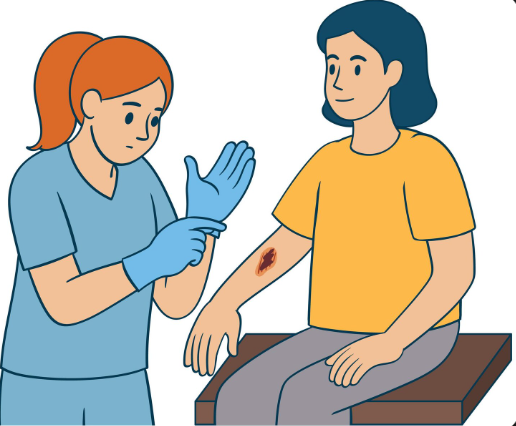
Burn injuries represent one of the most challenging and complex conditions encountered in healthcare settings, affecting millions of individuals worldwide each year. Burns can result from thermal, chemical, electrical, or radiation sources and require immediate, specialized care to prevent complications and optimize patient outcomes. The nursing management of burn patients demands comprehensive knowledge, advanced clinical skills, and a multidisciplinary approach throughout the continuum of care. Nurses play a pivotal role in the assessment, treatment, and rehabilitation of burn patients, from the initial emergency response through long-term recovery. Effective burn care requires understanding of burn classification, fluid resuscitation principles, wound management techniques, pain control strategies, and infection prevention measures. The complexity of burn injuries necessitates that healthcare professionals, particularly nurses, be well-versed in evidence-based practices to provide safe, effective, and compassionate care while minimizing complications and promoting optimal healing outcomes.
Learning Objectives:
At the end of the course the learner will be able to:
- Assess and classify burn injuries according to depth, extent, and severity using appropriate assessment tools
- Demonstrate proper techniques for initial burn wound care and ongoing wound management
- Apply principles of fluid resuscitation and monitor fluid balance in burn patients
- Implement effective pain management strategies specific to burn injuries
- Identify and prevent complications associated with burn injuries including infection, contractures, and psychological trauma
- Provide comprehensive patient and family education regarding burn care, rehabilitation, and long-term management
- Collaborate effectively within the multidisciplinary burn care team to optimize patient outcomes